


Look past the colorful graphics and catchy sounds of a slot like Fishin Frenzy, and you will discover a machine of a different sort. This article walks through the technical framework that runs this digital pastime. We’ll move past the spinning reels to the client-server model, the random number generator, how sights and sounds reach your screen, and the network chatter that sustains it all. The aim is to offer a clear picture of the design choices that enable a modern video slot function reliably and fairly, turning lines of code into the familiar anticipation of a big catch.
Random Number Generation: The Engine of Impartiality
The foundation of any slot is its Random Number Generator, or RNG. This isn’t just a line of code; it’s a sophisticated algorithm that produces thousands of numbers every second, completely independent of what any player does. The instant your spin request hits the game server, it grabs the RNG’s output at that precise microsecond. That number gets aligned against a strict mathematical model—the game’s volatility and its published Return to Player (RTP) percentage—to decide which symbols stop on the reels. The process is locked in from the server’s view, but completely random from yours. Independent testing agencies audit this RNG constantly, running millions of simulated spins to confirm its randomness and the absence of patterns. This certification is the foundation of trust for the game.
Security Layers and Information Integrity
A slot’s design must be a stronghold. Multiple security layers are baked into the design. Every unit of content traveling between the user and the server is secured end-to-end with protocols like TLS, the same utilized for online banking. On the server side, security barriers and security monitors guard against unapproved intrusion. The payment core that processes bets and returns is often isolated in its own safe compartment. To avoid cheating, the client software is typically scrambled and runs verification checks on itself. If it discovers tampering, it will simply stop. These actions secure the operator’s platform and the player’s balance and information. Regular penetration tests and security audits look for vulnerabilities before they can be used.
Scalability and Traffic Distribution
A hit game must perform flawlessly for tens, several hundred, or many thousands of people playing at once. That demands a scalable design. Rather than one server, the game runs on a cluster inside a cloud or data center. A load balancer serves as a traffic director, spreading incoming player connections equally across the available servers. If one server is overwhelmed or fails, the load balancer quietly shifts its users to healthy ones, often without any visible downtime. The system can also expand horizontally. During peak hours, automated systems can launch extra server instances to manage the load, then scale back down when traffic subsides. This flexibility ensures steady performance no matter how many people join. The design encourages statelessness where possible, letting any server to handle any player’s request, which ensures efficient scaling.
Backend Service Integration
The slot doesn’t exist alone. It integrates with a broader system of backend services. A key integration is with the wallet or cashier service, which handles your deposits, withdrawals, and current balance. The game client communicates with this service to place your bet and add any winnings. Another essential connection is to the player account system, which records your gameplay history, bonus eligibility, and loyalty points. The game server also supplies a constant flow of data into reporting and analytics platforms. Operators use this to monitor game health, track performance metrics, and gain insight into player behavior. All these connections occur via secure Application Programming Interfaces (APIs). These APIs employ strict schemas and authentication tokens to make sure only authorized systems can communicate with one another, maintaining overall security.
- Payment Service: Controls all money movement. The game makes API requests to “debit bet” and “credit win,” treating this external system as the final ledger.
- Player Account System: The main repository for player profiles. It enforces age and location checks, and oversees which bonus campaigns a player qualifies for.
- Game Control Server (GCS): A separate system that configures game settings, RTP versions, and available bet levels, pushing updates out to the game server cluster.
- Reporting & Analytics: Takes in real-time event data—every spin, win, and feature trigger—for business intelligence, fraud detection, and reports for regulators.
- Promotional Engine: Processes promotional logic, awarding free spins or bonuses based on gameplay triggers sent from the game server.
Communication Protocols and Latency Considerations
The exchange between your device and the game server runs on specific network protocols optimized for speed and reliability. HTTPS protects the data, but for real-time updates, many games employ WebSockets. This keeps a persistent, two-way line open, which is better than constantly opening and closing new HTTP connections. Latency—the pause between your action and the game’s reaction—is a prime issue. Engineers work to minimize it by refining server code for speed, placing servers near their player bases, and using efficient data formats that make messages smaller. A low-latency connection keeps the digital slot feeling as responsive as a physical one. Advanced setups also feature buffering and redundant paths to reduce network jitter and packet loss.
The Client-Server Framework: Basis of Online Play
Fishin Frenzy, like every online slot, depends on a client-server separation. The client resides on your phone, tablet, or computer. Its task is to show you the underwater scene, play the bubbling sounds, and record your tap to spin. The real power, though, lies on a remote server. This split exists for security. When you hit spin, your device forwards a request, but the server determines what happens next. All consequences are generated in that secured environment, which prevents tampering and assures fair play. Your client is usually a lightweight bundle of HTML5 and JavaScript, built to run anywhere. The server is a more substantial, fortified application stack where the core game logic operates.
Future-Proofing and Evolving Architecture
Technology doesn’t stand still, Fishin Frenzy Slot Live, and neither does a slot’s architecture. Future-proofing means building systems that can adapt. This includes adopting containerization tools like Docker and Kubernetes, which package the game server and its dependencies into portable, easily managed units. A shift toward microservices—breaking a monolithic game backend into smaller, independent services for the RNG, game logic, and player state—makes updates and maintenance easier. The architecture must also be ready to adopt new standards, like WebGPU for richer browser-based graphics, or low-latency streaming protocols for a potential move to cloud-gaming models. The objective is a resilient system that can evolve without breaking. This also means designing for new ways to play, such as virtual reality or skill-based bonus rounds, ensuring the core platform can support these additions.
Delivery and Optimization of Audiovisual Assets
The enchanting ocean theme is brought to life through a sequence of pictures and audio. High-resolution graphics for symbols and backgrounds, plus all the animations and sound effects, add up to a lot of data. Modern design uses several tricks to keep this manageable. Resources are heavily compressed with formats such as WebP for images, reducing file sizes without a noticeable loss in quality. They load progressively, so the essential parts appear first and the rest fills in. A CDN stores the game’s graphics and sounds on servers located across the planet. This ensures a player in Toronto retrieves resources from a nearby node instead of a remote data center, reducing loading times and avoiding lag. Developers also combine resources and employ sprite sheets to minimize the count of separate network calls, which is a crucial performance improvement.
- File Compression & Formatting: Current codecs including WebP for visuals and Opus for audio decrease file sizes while preserving high quality.
- Gradual Loading: Core game features load first to let you play, while higher-resolution textures and extra animations load in the background afterward.
- CDN Approach: Resources are hosted on a worldwide network of edge servers, reducing the physical distance data must travel to reach a player’s device.
- Caching Strategies: Intelligent browser and local caching saves resources so they don’t require a new download each time you return to the game.
Game Logic and Session Control
After the RNG provides its number, the game logic engine assumes control. This system interprets that number, follows the game’s rules, and calculates the result. It reviews the paytable for wins, activates special features like the Fisherman’s Free Spins round, and tracks the game’s state. That means monitoring your current bet, any accumulated wins during a bonus, and active multipliers. A critical task is keeping the server and your client perfectly in sync. The server is the single source of truth. The client’s role is to accurately display the game state it receives. This avoids situations where your screen shows one thing while the server records another, ensuring the win you see is exactly the win credited to your account. The state system must also be resilient enough to restore sessions if your connection hiccups.
Surveillance, Analytics, and Business Intelligence
Operating a live game needs clear awareness into its functioning. Thorough monitoring tracks server health: CPU load, memory use, and network activity. Application Performance Monitoring tools follow a single spin request as it travels through all the microservices, locating any delays. On the business side, every game event is captured and sent to data warehouses. Analysts sort through this information to gauge player engagement, match the actual hit rate of bonus features against theoretical models, and identify popular bet levels. This data-driven feedback shapes game tweaks, marketing efforts, and even the design of future titles. Real-time dashboards warn engineers to odd patterns, letting them resolve problems before players see anything wrong.
Frequently Asked Questions
In what way does the game ensure that each spin is truly random and fair?


A approved Pseudo-Random Number Generator (PRNG) runs on a secure server. This algorithm generates a long, unpredictable sequence of numbers. The exact microsecond you press spin determines which number is used to compute where the reels stop. Independent testing labs like eCOGRA or iTech Labs audit this RNG and the game’s math model routinely. They validate its randomness and verify it matches the published Return to Player (RTP) percentage, offering provably fair outcomes.
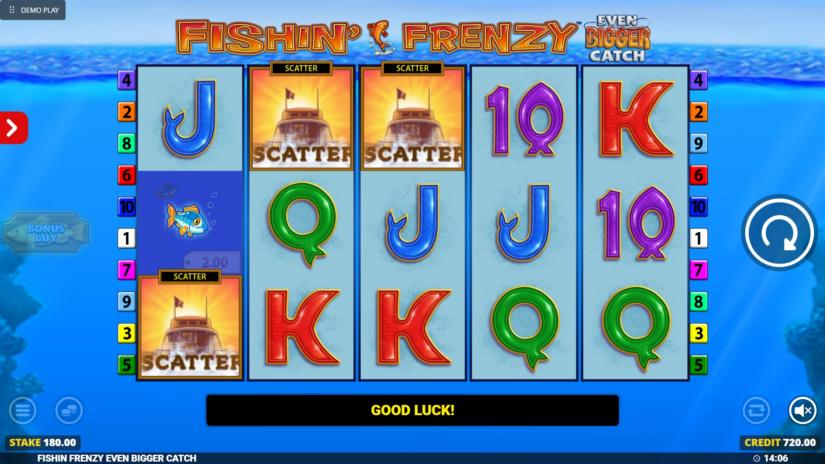

How come do I occasionally see a “loading” screen or a delay before the game starts?
That initial load is typically your device downloading the game’s graphics and sounds from a Content Delivery Network. How long it takes depends on your internet speed and how close you are to a CDN node. Developers compress assets and load the most essential elements first to reduce the wait, but a short pause is typical for a detailed game. Thanks to local caching, subsequent visits load much faster.
What occurs if my internet connection drops in the middle of a spin?
The system is built for this. The spin’s outcome is decided on the server at the moment you trigger it. If your connection drops, your screen might freeze, but the result is already recorded on the game server. When you reconnect, your client syncs back up with the server and shows the correct outcome. Any win from that spin will have already been applied to your account balance. You cannot lose a legitimate win because of a disconnect.
Is my personal and financial information protected when playing this slot online?
Reputable platforms use bank-grade security across the board. All data moving between your device and their servers is encrypted with TLS, the same technology that secures online banking. Financial transactions go through secure payment gateways, and sensitive data isn’t stored on the game servers themselves. The system is protected by multiple layers, including firewalls and intrusion prevention, and must comply with strict data protection regulations.
Can the game’s functions, like the Free Spins bonus, be manipulated?
No. The trigger conditions for bonus features are defined in the game’s mathematical model and are controlled by the same certified RNG as the base game. The chance of entering the bonus round is fixed and has been verified by independent testers. The architecture guarantees that these feature triggers are random events, calculated on the server, making them impossible to predict or influence from the outside.